




The EU prohibits trawling in depths of more than 800 metres.
The EU prohibits trawling in depths of more than 800 metres.

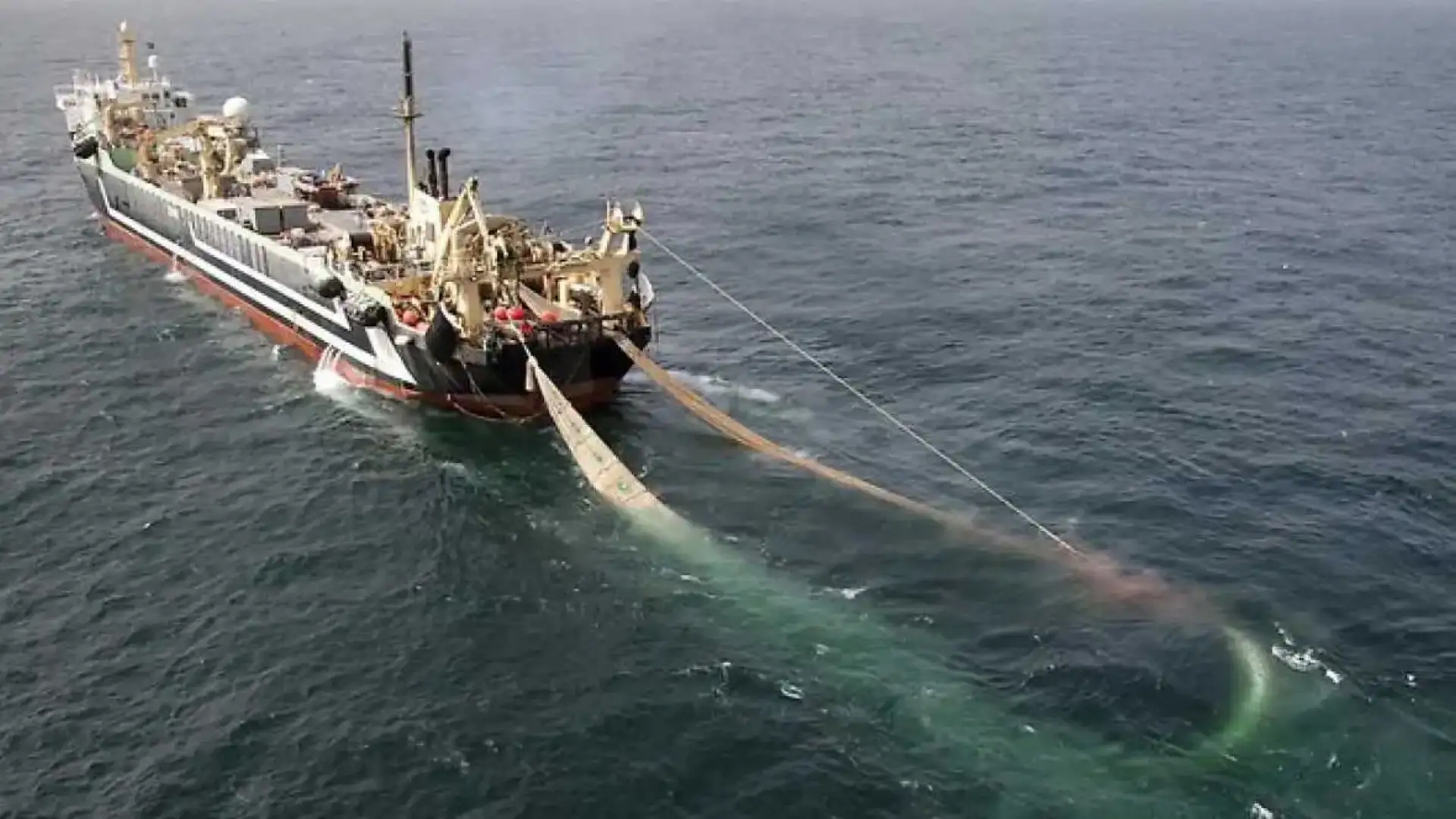
Photo owned by Spanish Television
The European Union has adopted the Deep Water Regulation which will prohibit the trawling in European waters at depths of more than 800 metres and in vulnerable marine ecosystems below 400 m. The pact reached between the Member States, the European Parliament and the European Commission also includes an obligation for ships to report on the amount of sponges or corals that they have fish and moved to other environments in the case where a certain level of maximum has been reached.
Commissioner for Fisheries and the Environment, Karmenu Vellait welcomed the agreement and stressed that it is a "balanced compromise" that will be able to protect biodiversity in deep waters, while ending the "uncertainty" faced by European fishermen. The new rules amend the previous legislation, which has been in force since 2003, and aim to bring the legislation into line with the sustainability objectives set out in the reform of the Common Fisheries Policy.
The Community Executive therefore stresses that the text includes provisions that "will help to protect deep waters." Among other measures, Brussels has stressed that ships will only be able to fish in areas where they have already been active. In addition, the standards will be complemented by a strengthened monitoring scheme, which, according to the Commission, will strengthen scientific knowledge of deep water. The text also provides for the possibility of withdrawing fishing authorisations in case of non-compliance with the rules. In any case, the formal adoption of deep water legislation must still be formally approved by both the Member States in the EU Council and the European Parliament.
"Deep trawl fishing harms and overexplodes the fishing grounds, sheds in its passage, cold water corals, species we do not know, deep sharks, everything is captured or destroyed in its passage. In addition, it is not efficient, between 20% and 60% of the captured is thrown overboard because it has no commercial value.", says Greenpeace in his last statement.
Four years ago, it was possible to put on the table "The Deep Water Regulation" which called for a progressive elimination of trawling in European and international waters. It is scientifically reported that these types of fisheries destroy the seabed, ecosystems that we do not know yet, that affect species that take a long time to reproduce and that have little economic return. This prohibition on trawling at depths above 800 metres and greater control at depths below will allow deep marine habitats, which are breeding areas of very important fishing species that can then be captured in other areas, to be maintained. In addition, these areas act as huge sinks of CO2 thus helping to combat climate change.
Source: Journal of Naval Engineering
© 2024 Nautica Digital Europe - www.nauticadigital.eu